
Branch International
How a Product Tweak Generated a +576% Lift in Loan Conversions
Designing and executing the Kenya Branch Pro Experiment to validate an alternative underwriting model, unlocking 576% relative increase in conversions while strictly managing default risk in the Kenyan market.
Published May 13, 2026
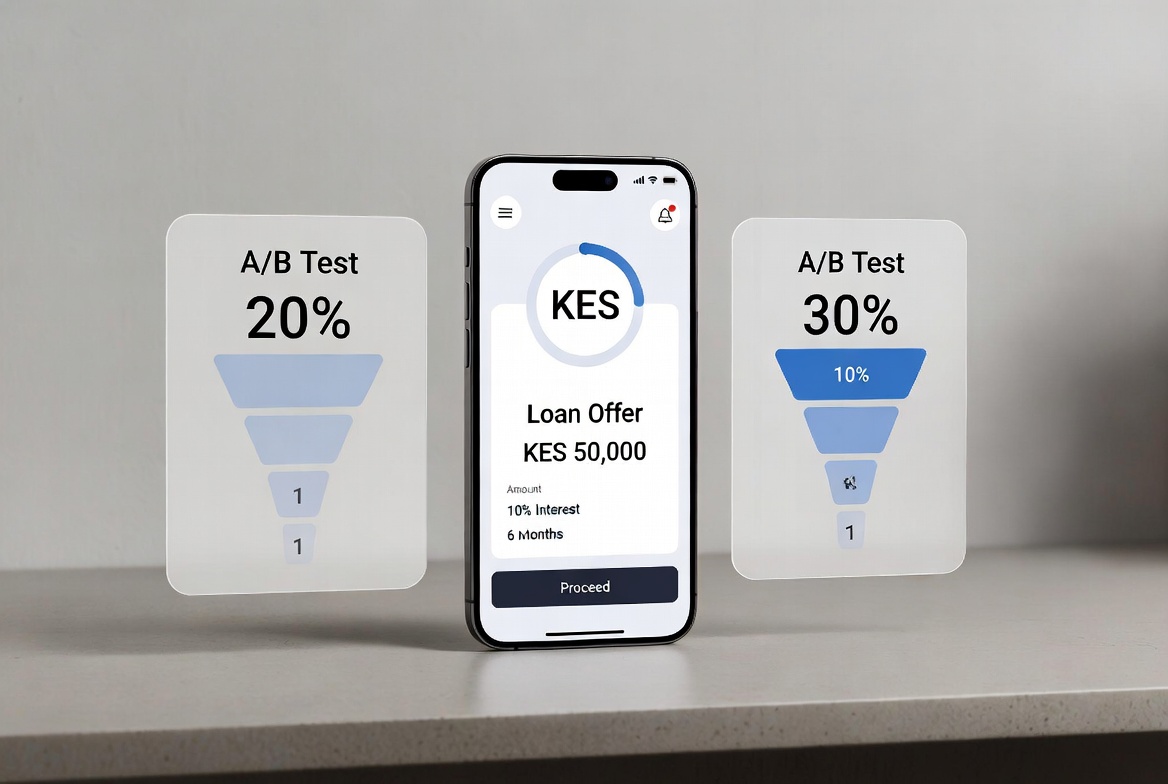
Context & Problem
In Kenya, there was a high demand for a high-limit loan tier (Branch Pro). However, the legacy underwriting process required users to manually upload PDF bank statements to prove income. This friction created a massive bottleneck, pegging conversion rates at 3.4%, keeping many highly qualified users out of the funnel before they even received an offer.
The Problem: We were starving our own high-value lending portfolio because the friction of proving eligibility outweighed the user's desire for the loan.
The Hypothesis:
If we replace manual bank statement uploads with an algorithmic Income Predictor (leveraging mobile money/M-Pesa proxy data), then we will increase loan application conversion by at least 25%, without exceeding our risk threshold for Non-Performing Loans (NPLs).
We concluded that the bank statement submission flow was too high-friction and removed it entirely.
User Insights
Before implementing the algorithm, I leveraged behavioural data and conducted localised discovery:
The M-Pesa Reality: Bank statements in Kenya rarely tell the whole story. The majority of transactional velocity happens via mobile money, meaning our legacy requirement was not just high-friction, it was fundamentally misaligned with local financial behaviour.
Security vs. Speed: Users abandoned the PDF upload not just because it was tedious, but due to privacy concerns and the technical difficulty of retrieving a PDF from mobile banking apps on lower-end Android devices.
High-limit Aversion: Users struggled with applying for high limits because they only wanted loans that matched their income to avoid being trapped in a debt cycle.
The Solution
Control vs. Variant Experiment Design
Routed 50% of eligible Kenyan users into the Variant group (Algorithmic Income Predictor) while keeping 50% in the Control group (without the income predictor) to establish a clear baseline for conversion.
Introduced the Algorithmic Income Predictor
Collaborated with the DS team to build the model. Replaced the bank statement flow with an automated Algorithmic Income Predictor, which additionally serves as a gating criterion to ensure only high-quality borrowers enter the flow.
The 2-Tap Funnel
For users in the Variant group, the UI completely bypassed the document upload screen, presenting an instant request submission, transforming a 5-minute struggle into a 15-second delight.
Strategic Trade-offs
Impact
The Tech
- Product Strategy
- SQL
- User Research
- Android
Other Projects
All work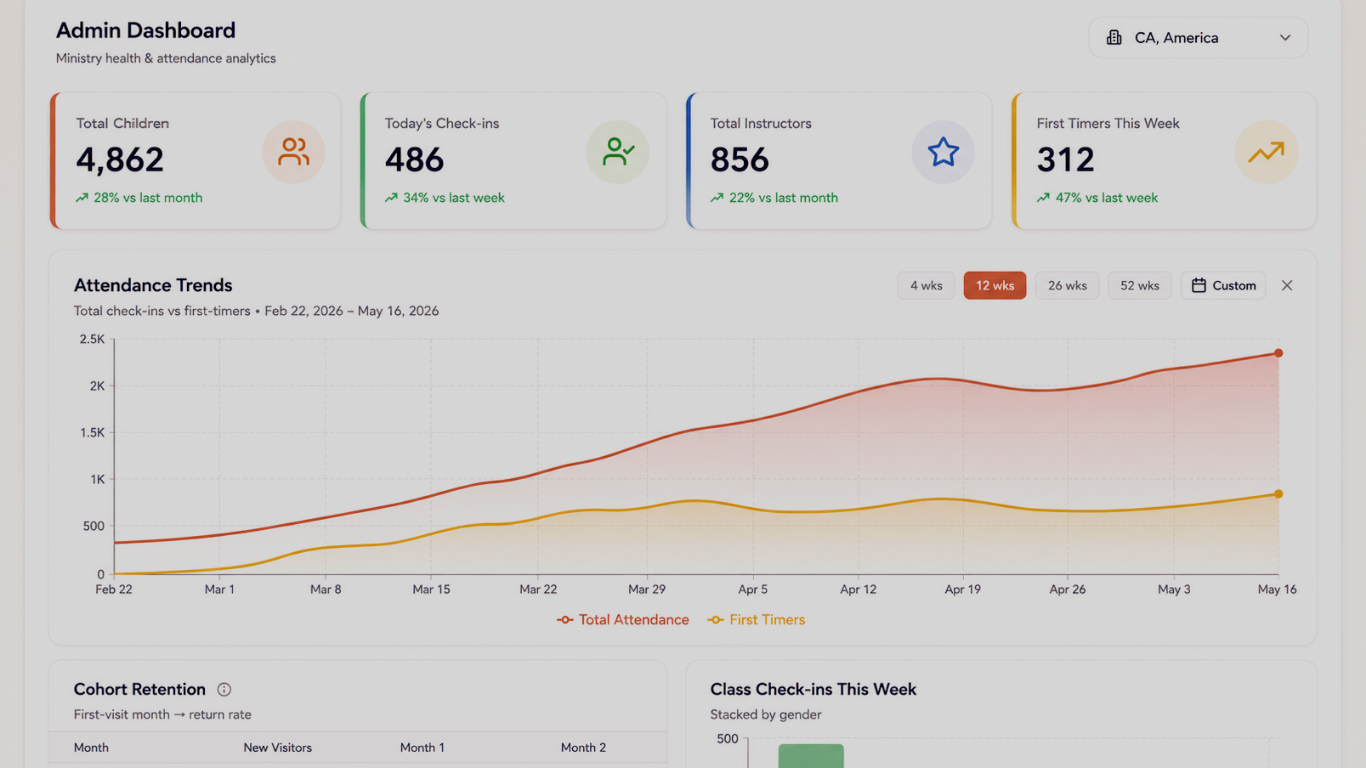
Celebration Church International
HappyFeet: Children's Church Management System
An end-to-end children's ministry management system built to digitise attendance, enhance child safety, improve operational efficiency and provide real-time analytics.
Branch International
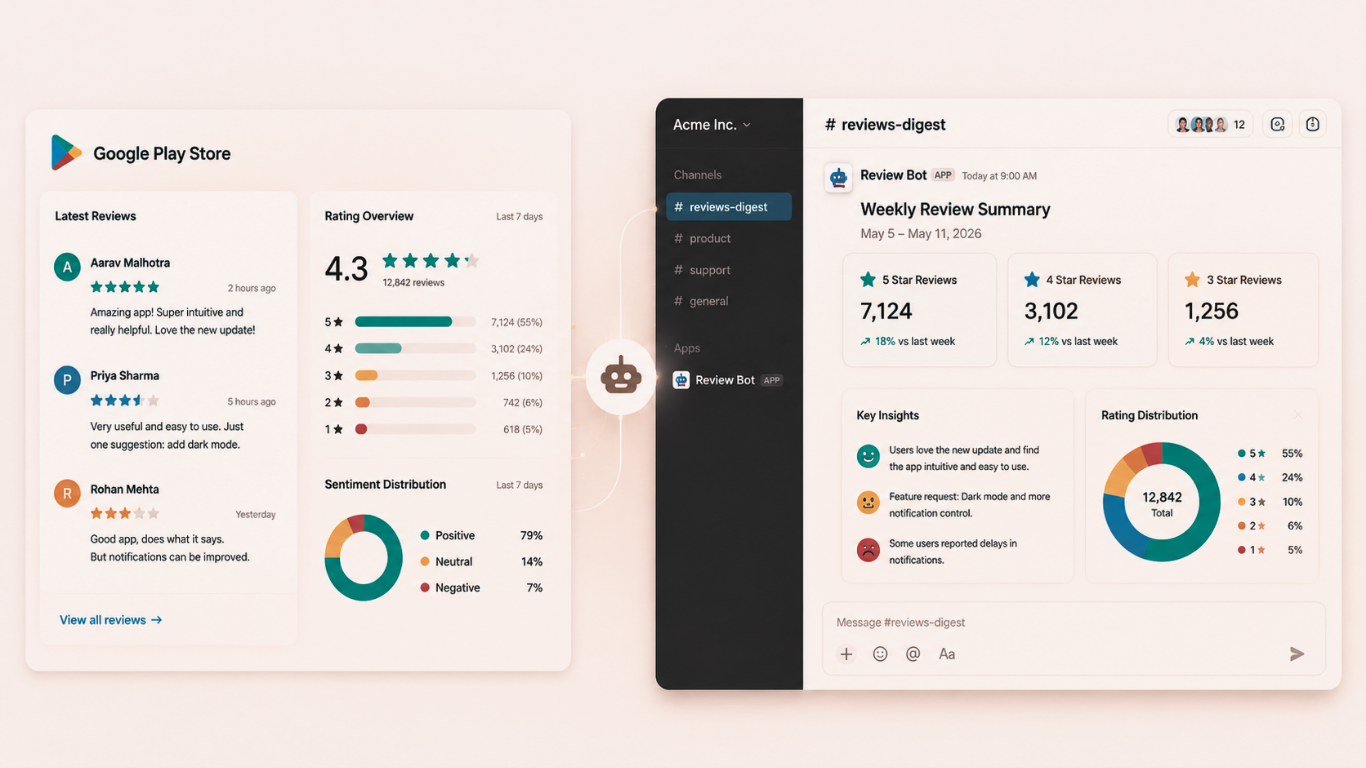
Customer Sentiment & Review Automation Bot
An internal agent that automatically ingests customer reviews from Google Play Store, classifies sentiment, groups them by rating, and routes critical issues to the right teams via Slack every week.

Branch International
Branch Prime: Scaling High-Limit Lending in Nigeria
Refactoring and optimising a high-limit digital loan product for the Nigerian market, to unlock aggressive growth with rigorous risk management.